




Alpine pastures for biodiversity and avalanche protection
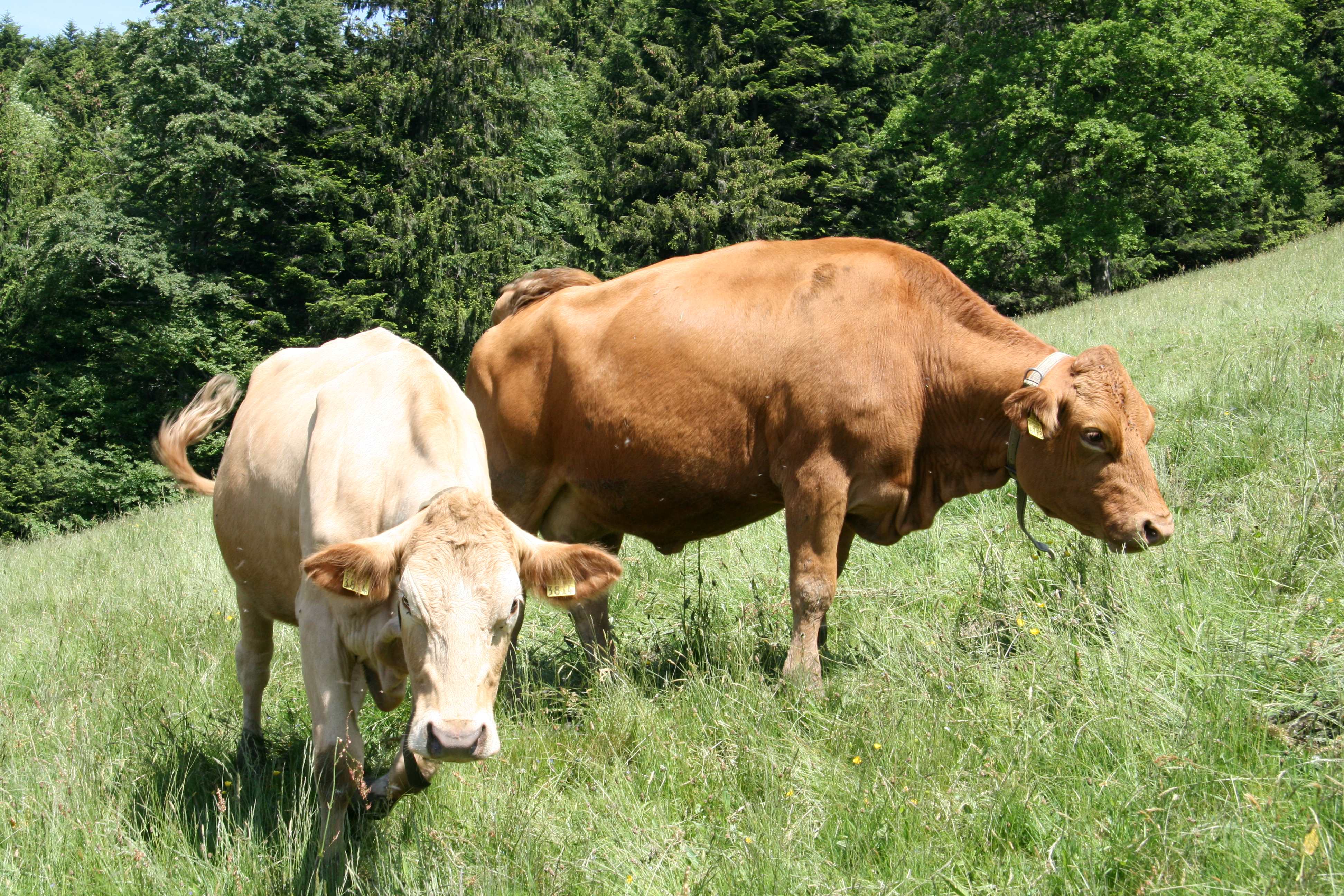
Around one-third of all suckler cows spend the summer in alpine pastures. Grazing prevents encroaching scrub and uncontrolled tree growth, thereby preserving biodiversity. At the same time, the soil is stabilised and protected against erosion. In winter, the alpine pastures are blanketed in snow, which reduces the risk of avalanches – and also benefits winter tourism.
Grass for healthy soil
Through their work, farmers shape the landscape as we know and appreciate it. Many people enjoy the multifaceted surroundings when out walking, hiking or cycling. Yellow rapeseed and grain fields are alternated with grassland. To ensure balanced crop rotation and preserve soil fertility, it is also important to cultivate grass at intervals on arable land. This can be stored as hay or silage for feeding in winter or the cows can graze on the grass directly.
-

Hiking in the Diemtigtal valley in the canton of Bern | Photo: Martin Freund -

-

Hiking in Lenk | Photo: Ursula Freund -

A herd of mother cows in a beautiful sea of yellow flowers



A driving force for the local economy
Machines cannot be used to cultivate steep slopes. At a certain altitude, arable farming is no longer possible, which can also be attributed to climatic reasons. Suckler cows and calves can graze on this land and make it usable for humans – allowing regional food products to be produced. Cows are part of Switzerland’s cultural landscape and support the local economy.
Blog | Suckler cow husbandry


